
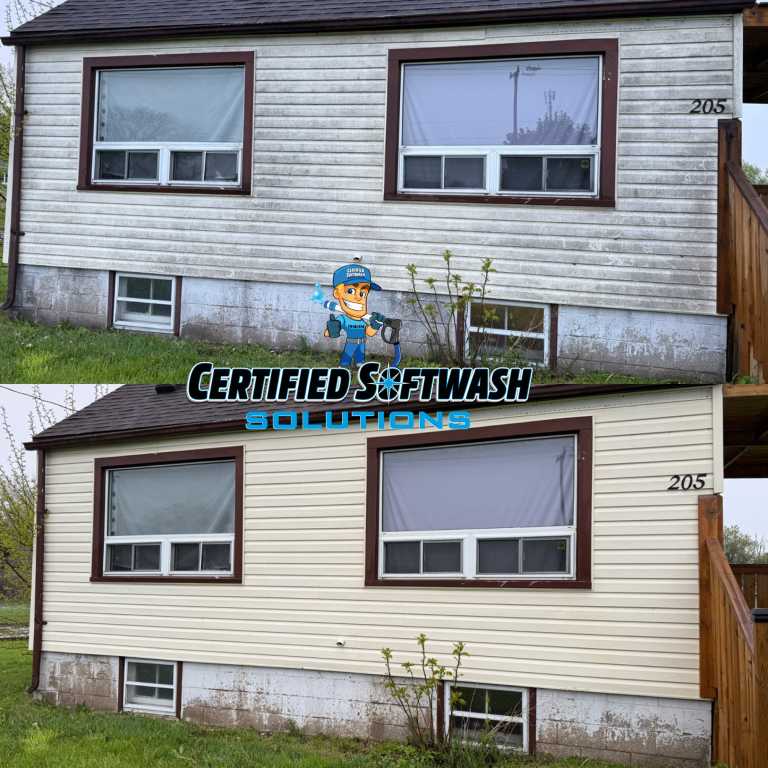
Siding does more than shape a home’s appearance. It stands up to rain, humidity, dust, pollen, tree debris, and the slow buildup of organic growth that can leave exterior walls looking tired long before the material itself has worn out. That is why softwash for siding has become such a practical option for homeowners who want a clean, well-kept exterior without treating the surface too aggressively. Done properly, it restores freshness, supports routine maintenance, and helps protect the look of the home over time.
What softwash for siding actually means
Softwashing is a low-pressure exterior cleaning method designed to remove dirt, algae, mildew, mold, and other surface contaminants without relying on the force associated with traditional pressure washing. Instead of blasting the siding, the process uses a carefully controlled application of cleaning solution and water to loosen and treat buildup at the surface. The low-pressure rinse then washes that material away more gently.
This matters because siding is not a one-size-fits-all material. Vinyl, painted wood, stucco, composite surfaces, and fiber cement all respond differently to moisture, pressure, and abrasion. While pressure washing has a place in exterior cleaning, too much force on siding can drive water where it should not go, disturb paint, or leave delicate finishes more vulnerable than before. Softwashing is often chosen because it prioritizes surface care as much as surface cleanliness.
For homeowners researching professional softwash for siding, the key idea is simple: the goal is not only to remove what you can see, but to treat the organic matter causing staining and discoloration in the first place.
Why homeowners choose softwash for siding
The most obvious reason is appearance. Siding that has developed green streaks, dark spotting, dusty film, or uneven discoloration can make an otherwise well-maintained property look neglected. A proper softwash can quickly improve curb appeal and bring back a cleaner, brighter finish.
But the appeal goes beyond looks. Organic buildup tends to return if it is only partially removed or simply pushed around with water. Because softwashing is designed to address algae, mildew, and similar growth more thoroughly, many homeowners find it better aligned with regular exterior upkeep. It is a maintenance-minded approach rather than a quick cosmetic fix.
Softwashing is also appealing because it suits the realities of modern homeownership. Most people do not want to gamble with fragile trim, older paint, or moisture intrusion behind panels. They want an effective cleaning method that is thoughtful about materials, age, and condition. That is especially important on homes where the siding has already been exposed to seasonal wear.
Common signs your siding may need cleaning
- Green or black streaks on shaded walls
- Patchy mildew around seams, corners, or trim
- Dust, pollen, or road film that dulls the finish
- Spider webs, insect residue, and surface grime near eaves
- A noticeable contrast between protected and exposed areas of the wall
If any of these signs are present, cleaning the siding is not just about presentation. It is often part of sensible seasonal care.
Softwashing vs. pressure washing: what is the difference?
Homeowners often use the terms interchangeably, but they are not the same. The difference lies in how the surface is cleaned and how much force is involved. For decks, stone, and some hardscape areas, higher pressure may be appropriate. For siding, a softer approach is often the better fit.
| Method | How it works | Best use | Main concern |
|---|---|---|---|
| Softwashing | Low-pressure application with cleaning solution and rinse | Siding, painted exteriors, delicate finishes, organic staining | Requires the right solution mix and proper technique |
| Pressure washing | High-pressure water used to strip away buildup | Concrete, some masonry, durable exterior surfaces | Can damage siding or force water behind panels if misused |
This comparison does not mean pressure washing is inherently wrong. It means the method should match the material. A careful service provider evaluates the exterior first, then selects the safest and most effective cleaning approach. That decision is one of the biggest differences between a rushed job and a professional one.
How to prepare for a siding cleaning service
A good exterior cleaning appointment starts before the equipment arrives. A little preparation helps the work go more smoothly and protects the areas around your home.
- Walk the perimeter. Note heavily stained sections, fragile trim, cracked caulking, or any loose siding pieces that should be flagged before cleaning.
- Move outdoor items. Patio furniture, planters, welcome mats, and decorative items should be moved away from the walls where possible.
- Close doors and windows. This simple step helps prevent water from entering the house during rinsing.
- Clear access points. Gates, side yards, and hose connections should be easy to reach.
- Discuss nearby landscaping. Established plants usually do fine with proper care, but it is still smart to mention sensitive flower beds or recently planted shrubs.
Timing matters too. Many homeowners schedule siding cleaning in spring to refresh the home after winter, or in fall to remove a season of buildup before colder weather returns. In shaded or damp areas where algae develops more easily, a recurring maintenance schedule may make sense.
A simple homeowner checklist
- Inspect siding once each season
- Watch north-facing and shaded walls for growth
- Check around gutters and downspouts for staining
- Clean before repainting or exterior touch-ups
- Address buildup early rather than waiting for heavy discoloration
Choosing the right provider and caring for the results
The best results usually come from contractors who understand exterior surfaces rather than treating every house the same way. Homeowners should look for a provider that explains the process clearly, identifies the siding material, and sets realistic expectations about what cleaning can and cannot restore. That matters especially on older homes, where oxidation, sun fading, or worn paint may still be visible after the surface is clean.
In Windsor, many homeowners prefer specialists such as Certified Softwash – House Washing Services in Windsor when they want a siding-appropriate approach instead of a high-pressure wash applied indiscriminately. The value of that kind of service is not just in making the house look better for the weekend. It is in cleaning the exterior with respect for the material itself.
Once the siding has been cleaned, a few habits can help the results last:
- Trim back vegetation that keeps walls shaded and damp
- Keep gutters flowing properly to reduce dirty runoff
- Rinse off obvious splashes of mud or debris early
- Monitor problem areas near sprinklers or poor drainage
- Schedule maintenance before heavy buildup returns
These steps do not eliminate the need for future cleaning, but they can slow the return of staining and help the home stay fresher between services.
Conclusion
Softwash for siding is not a trend or a cosmetic shortcut. It is a practical, surface-conscious way to care for one of the most visible parts of your home. By using low pressure and the right cleaning approach, it removes the grime and biological growth that make siding look worn while reducing the risk that comes with more aggressive methods. For homeowners who want cleaner walls, stronger curb appeal, and a smarter maintenance routine, softwash for siding is often the right balance of effectiveness and care.
——————-
Visit us for more details:
Certified Softwash – House Washing Services in Windsor
https://certifiedsoftwash.ca
Ashburn – Virginia, United States
Certified Softwash Solutions provides professional softwashing services near Windsor and Essex County. Bring the shine back to your house or property today.
