
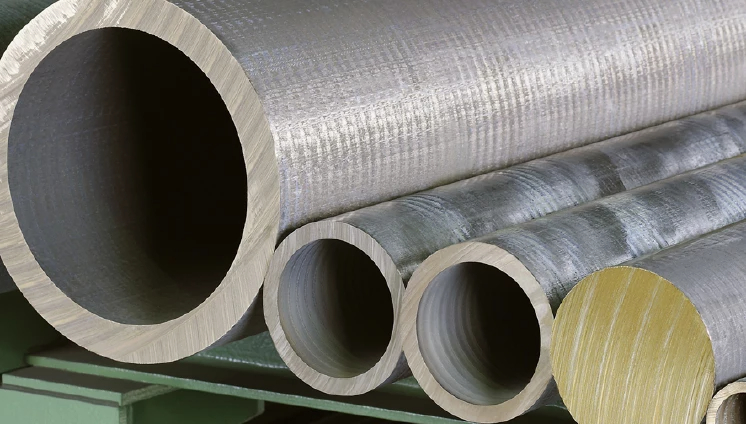
Cost pressure in manufacturing rarely comes from material price alone. It is usually the combined effect of machining time, scrap risk, dimensional stability, lead times, and how well a part performs once it is in service. That is why Dura-Bar continuous cast iron continues to attract attention from engineers and buyers who need dependable performance without unnecessary cost. When used in the right application, it can simplify production, reduce waste, and create a more efficient route from raw stock to finished component. Even in shops that regularly work with Cast bronze alloys, Dura-Bar often deserves a place in the material conversation.
Why Dura-Bar Continuous Cast Iron Is Often a Cost-Effective Choice
Dura-Bar continuous cast iron is valued because it offers a combination of machinability, consistency, and availability in useful bar forms. Unlike some materials that drive up cost through slow cutting speeds or unpredictable internal conditions, continuous cast iron is known for its uniform structure and stable machining behavior. For many components, that translates into shorter cycle times and fewer production surprises.
Cost effectiveness also shows up in how material is supplied. Bar stock can help reduce excessive rough machining and allow shops to start closer to final dimensions. That matters when a project involves repeated parts, tight schedules, or a need to keep setup time under control. In practical terms, a lower-cost part is often the part that reaches the machine in a form that is easier to hold, easier to cut, and less likely to create rework.
Typical advantages include:
- Good machinability that can support faster processing and improved tool life in many operations
- Consistent microstructure that helps reduce variability from piece to piece
- Bar form availability that can minimize waste and simplify part preparation
- Useful wear characteristics for selected mechanical applications
- Dimensional stability that supports predictable manufacturing outcomes
These traits make Dura-Bar especially relevant for bushings, sleeves, wear plates, spacers, and other parts where performance must be reliable but material cost and machinability still matter.
Where Cast Bronze Alloys Fit in the Same Discussion
Material selection is rarely a one-material decision. The better question is which material produces the best total value for the part’s real operating conditions. That is where Cast bronze alloys remain highly important. Bronze may be preferred when a design requires specific bearing properties, corrosion resistance, compatibility with mating surfaces, or electrical performance that cast iron cannot provide.
For applications that may require a different balance of wear resistance, conductivity, or bearing performance, Cast bronze alloys remain an important part of the material selection conversation.
The most economical answer, then, is not always the cheapest material per pound. It is the material that meets service demands without overengineering the part. In some cases, Dura-Bar continuous cast iron is the more efficient option. In others, bronze is the smarter long-term choice. Experienced suppliers help identify that difference early, before engineering time and machining expense are wasted on the wrong stock.
| Consideration | Dura-Bar Continuous Cast Iron | Cast Bronze Alloys |
|---|---|---|
| Machinability | Often excellent for efficient production | Can machine well, depending on alloy and application |
| Bearing applications | Suitable in selected uses | Often preferred where bearing properties are critical |
| Corrosion resistance | More limited depending on environment | Often advantageous in demanding environments |
| Material cost control | Often attractive for many mechanical parts | May be justified by performance requirements |
| Electrical applications | Not typically the first choice | Certain bronze and copper alloys offer clear advantages |
How Dura-Bar Helps Reduce Manufacturing Cost Beyond Raw Material
One of the biggest mistakes in purchasing is evaluating material on invoice price alone. A stock form that costs less but machines poorly can become more expensive by the time labor, tooling, and reject risk are counted. Dura-Bar continuous cast iron often earns its place because it supports a more efficient production workflow.
That efficiency can appear in several stages:
- Planning: readily available sizes can reduce delays and simplify material sourcing.
- Setup: predictable bar stock often makes fixturing and preparation easier.
- Machining: good machinability can shorten processing time and improve shop throughput.
- Finishing: dimensional consistency helps support repeatability on finished parts.
- Assembly and service: the right material choice reduces the chance of premature replacement or redesign.
For manufacturers running medium- to high-volume work, these gains can add up quickly even without dramatic changes to part design. The savings come from smoother execution, not from cutting corners.
Choosing Between Dura-Bar and Bronze for Real-World Parts
The best material decision starts with the application, not the catalog. Engineers should evaluate load, speed, lubrication, corrosion exposure, mating materials, thermal behavior, and the expected service life of the part. If a component primarily needs a strong, machinable, wear-capable material at a controlled cost, Dura-Bar may be an excellent fit. If the part must deliver specialized bearing performance, resist corrosive environments, or serve in a conductivity-related role, bronze may be the better path.
A short selection checklist can help focus the decision:
- What is the actual operating environment?
- Will the part run dry, lubricated, or intermittently lubricated?
- Is corrosion resistance essential?
- Does the design need bearing-grade performance?
- Will machining time significantly affect the final part cost?
- Can a near-net bar size reduce waste and production time?
This is also where supplier experience becomes valuable. Anchor Bronze & Metals, Inc. works across centrifugal cast bronze, continuous cast bronze, finished machine parts, RWMA copper alloys for resistance welding applications, and Dura-Bar cast iron. That range matters because it supports more practical guidance. Rather than forcing one material into every job, a capable source can help compare options and refine the design around cost, manufacturability, and service requirements.
The Value of Early Design Support
Many avoidable costs are created before production begins. Overly conservative dimensions, poorly matched material choices, and unnecessary machining allowances can all increase cost long before a part reaches the machine. Early design support helps identify where Dura-Bar continuous cast iron can replace a more expensive option, and where bronze should remain the specified material because the application truly demands it.
That kind of support is especially useful when a project moves from prototype to repeat production. A material that worked in a one-off sample may not be the most efficient option at scale. Reviewing geometry, tolerances, stock size, and machining strategy can reveal savings that are difficult to spot from drawings alone. In many cases, the result is not a dramatic redesign but a smarter alignment between material and manufacturing method.
When manufacturers take a broader view of cost, Dura-Bar continuous cast iron stands out as more than a commodity. It is a practical engineering option that can reduce machining effort, support consistent results, and deliver dependable value in the right applications. At the same time, Cast bronze alloys remain essential where operating demands call for their specific performance advantages. The most cost-effective solution is rarely about choosing one material category over another in every case. It is about selecting the right one early, machining it efficiently, and partnering with a supplier that understands the tradeoffs. That is where a company like Anchor Bronze & Metals, Inc. can make a meaningful difference, helping customers lower research, design, and production costs through better material decisions.
——————-
Check out more on Cast bronze alloys contact us anytime:
Anchor Bronze & Metals, Inc. – Copper Alloys
https://www.anchorbronze.com/

440-549-5653
Anchor Bronze & Metals, Inc. specializes in copper alloys, centrifugal cast bronze, continuous cast bronze, copper alloy forgings, bronze finished machine parts, RWMA copper alloys, and Dura-Bar Cast Iron.
Our products are used in power transmission, fluid transport, aerospace, drilling and shipbuilding along with the general manufacturing sector.
